







Search Results for: Southeast Asia expansion
Luckin Plans Malaysia Expansion: Partners Still Undecided, Southeast Asia's Tea Beverage Battle Heats Up
Luckin Coffee plans to enter Malaysia, negotiating cooperation with local listed companies and formulating a five-year expansion blueprint. Currently, Luckin has over 20,000 stores in China, with only 38 directly operated stores overseas, all in Singapore. Malaysian netizens have reacted enthusiastically to the brand's entry, looking forward to discounted pricing but also concerned about intensifying market competition. Rumors point to the partner being Berjaya Group, the operator of Starbucks, but other sources say the contact is with a different party, and the final choice awaits official announcement. This overseas expansion comes as the domestic tea beverage market becomes saturated and price wars intensify; Luckin went from profit to loss in the first quarter, making Southeast Asia key to breaking the deadlock. [more…]
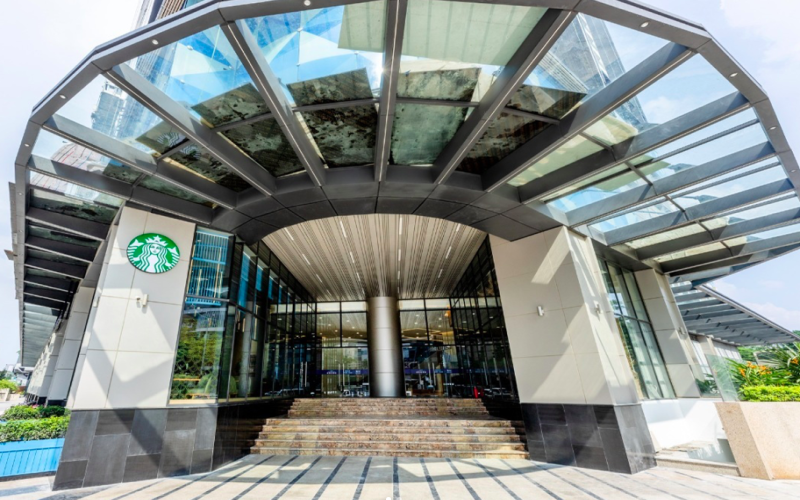
Maxim's Group's Starbucks East Asia Empire Surpasses 1,000 Stores: The Expansion Path from Hong Kong and Macau to Southeast Asia
Maxim's Group has officially surpassed 1,000 Starbucks stores across East Asia, a milestone reached with a new store at the Diamond Plaza shopping center in Hanoi, Vietnam. From partnering with Starbucks to enter Hong Kong in 2000 to now spanning seven markets—Hong Kong, Macau, Singapore, Thailand, Cambodia, Laos, and Vietnam—Maxim's Group has become one of Starbucks' most important franchise partners in East Asia. This article reviews the history of their partnership, the distribution of stores in each market, and plans to expand to 800 stores in Thailand in the future. For readers interested in coffee industry trends, Front Street Coffee also continues to bring in-depth reports like this. [more…]
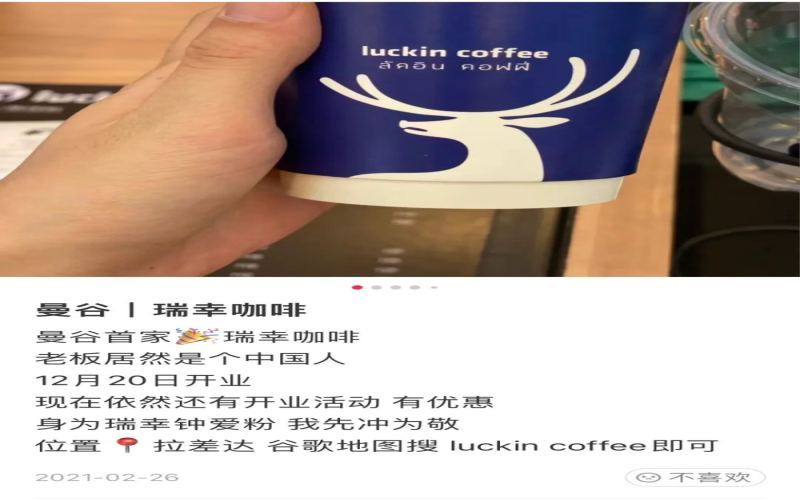
Luckin Coffee's Singapore Recruitment Push Draws Attention, Southeast Asian Coffee Market May See New Shifts
Recently, some netizens noticed that Luckin Coffee posted job openings for store manager and other positions on the Singapore recruitment website JobStreet, with salaries of approximately 19,000 to 25,000 RMB, sparking speculation about its expansion into Southeast Asia. Previously, counterfeit Luckin stores appeared in Thailand, and the company officially stated that it had not opened stores in Thailand and had taken legal action, but the store is still operating. Meanwhile, Mixue Bingcheng has successfully entered the Thai market, winning over consumers with low prices and a hygienic environment. The Southeast Asian coffee market has enormous potential, and whether Luckin is truly going overseas remains to be officially confirmed. This article sorts out the timeline of events and retains relevant recommendations from Front Street Coffee, inviting readers to follow the overseas expansion trends of Chinese coffee brands together. [more…]
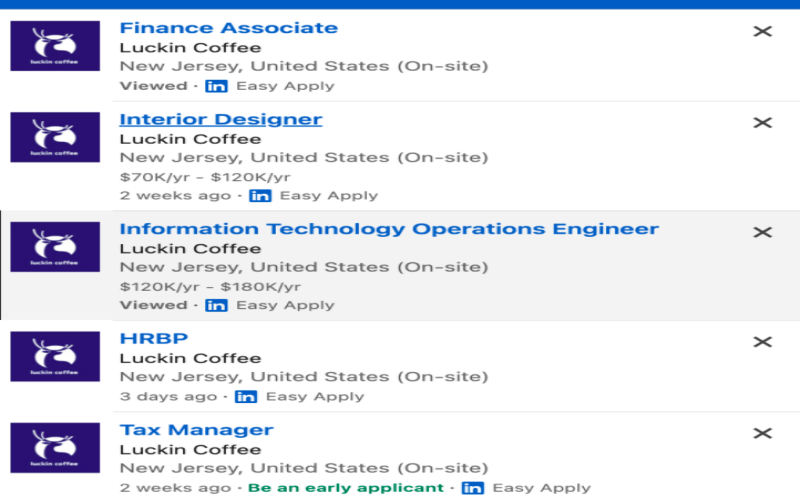
Luckin Accelerates North American Expansion? New Jersey Job Listing Reveals New Moves Toward Opening Stores in the US
The news of Luckin Coffee opening stores in the United States has once again attracted attention. Recently, a WeChat public account post claimed that Luckin is advancing the site selection for U.S. stores, has begun contacting relevant service agencies, and is actively recruiting staff. LinkedIn information shows that within the past month, Luckin posted 5 job openings located in New Jersey, covering areas such as IT operations, finance, interior design, human resources, and tax, among which the tax manager position requires directly reporting to the CFO. Combined with previous reports by the Financial Times and statements by CFO Guo Jinyi, Luckin may explore the U.S. market with a prudent and flexible strategy, preferring East Coast cities such as New York. Whether this series of moves means that Luckin's overseas strategy will shift from Southeast Asia to North America is worth continued attention. [more…]
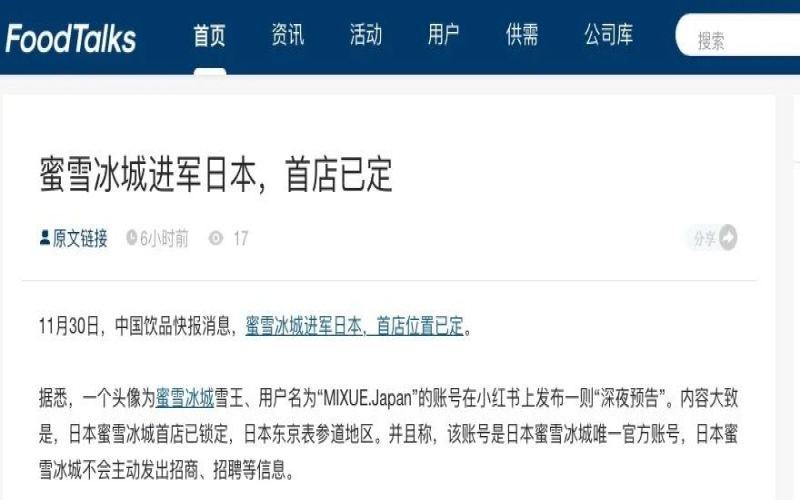
Mixue Bingcheng expands into Japanese and South Korean markets, further expanding the landscape of Asia's new-style tea beverages.
Chinese freshly-made beverage giant Mixue Bingcheng is accelerating its overseas expansion. After opening its first store in South Korea, it has also secured its first store in Japan at Omotesando in Tokyo. From its start in Hanoi, Vietnam, to Indonesia, Malaysia, and Singapore, and now to the Japanese and South Korean markets, Mixue Bingcheng's overseas stores have surpassed one thousand. Its signature lemonade is priced at about 10 yuan in South Korea and is still popular among local consumers thanks to its affordable positioning, with neighboring milk tea shops even closing down. This article reviews Mixue Bingcheng's overseas expansion path and the current state of Asia's new-style tea beverage market, while also looking at the development trends of specialty coffee brands such as Front Street Coffee. [more…]
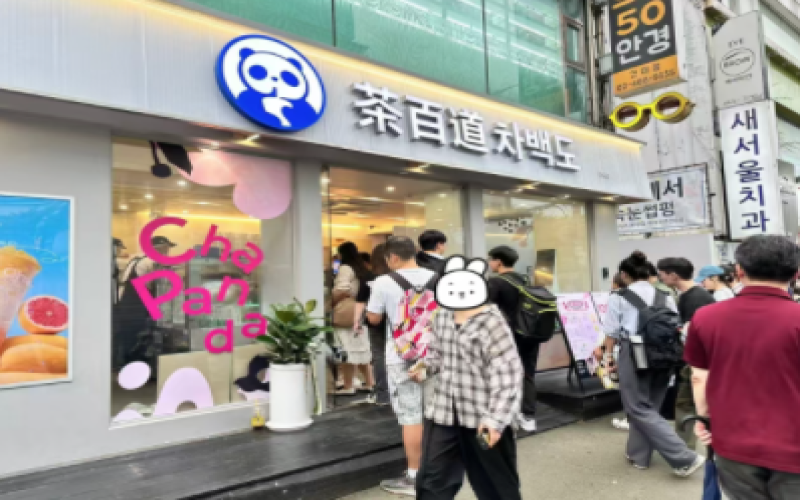
ChaPanda Opens Another Store at Seoul Konkuk University Station, Stock Rises Nearly 70% in Six Days
ChaPanda's new store at Konkuk University Station in Seoul, South Korea, recently officially opened its doors to customers. This is the brand's second store in the greater Seoul area, following its first store in Gangnam District earlier this year. At the same time, ChaPanda's stock price has performed impressively recently, with cumulative gains of nearly 70% over the past six trading days. From choosing South Korea as its first overseas destination, to launching Korea-exclusive products, to local consumers accounting for more than 80%, ChaPanda is validating its store model in the East Asian market through a differentiated strategy. This article will review ChaPanda's expansion path in South Korea, its product strategy, and the latest developments in the capital market. [more…]
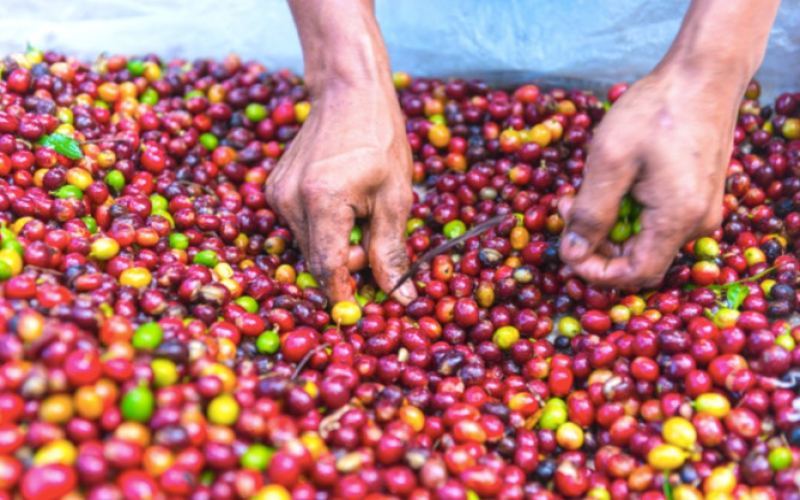
The Development History of Myanmar's Coffee Industry and a Full Analysis of Varieties in Shan State, Mandalay, and Other Producing Regions
Myanmar, a Southeast Asian country that often comes into public view because of telecom fraud in northern Myanmar and civil unrest, yet few people know about its coffee-growing potential. Today, Front Street takes you into this little-known origin. British colonists arrived in the late 19th century, and Catholic missionaries introduced coffee to northern Shan State in the 1930s. In the 1980s, the government cooperated with the United Nations to carry out a project to replace opium poppy cultivation with coffee, and only then did the industry truly begin to develop. Today, Myanmar coffee is mainly concentrated in Nawnghkio, Ywangan, Pwewe in Shan State, and Pyin Oo Lwin in Mandalay Region, dominated by smallholder farming, with 80% of Arabica used for export. Varieties include Caturra, Catimor, Bourbon, Typica, S795, and SL34. By 2024, the planted area has expanded to 279,000 acres, with plans for further expansion in the future. [more…]

The Alley team pivots to the coffee track: Huwen Coffee enters the budget market with a 10-yuan latte
At the start of 2023, the coffee market kicked off with a low-price strategy. CoCo都可, with over 2,200 stores nationwide, dropped its Americano to 3.9 yuan, Cotti Coffee launched promotions starting at 9.9 yuan, and Tiger Coffee, created by the core team of The Alley, also secured financing, entering the affordable segment with two price tiers of 10 yuan and 13 yuan, and plans to leverage its existing overseas agency network to prioritize expansion in Southeast Asia. Can Tiger Coffee become the Mixue Bingcheng of the coffee world? This article will analyze from perspectives including brand background, store model, product strategy, and market trends. [more…]

Luckin launches another light milk tea product: Raw Coconut Ceylon hits the market, a new attempt combining coconut aroma with black tea
After Liu Yifei endorsed the Light Jasmine Light Milk Tea, Luckin Coffee continues to double down on the tea beverage track, launching its first raw coconut light milk tea — Raw Coconut Ceylon Light Milk Tea. The new product uses raw coconuts imported from Southeast Asia, with freshly squeezed coconut meat juice and coconut water accounting for no less than 38%, paired with Ceylon black tea, and claims to be 0 lactose. Luckin's move is intended to deepen its "coffee in the morning, tea in the afternoon" all-scenario layout. However, many consumers on social media have reported that the product is too sweet, with the tea aroma and coconut flavor being rather weak, and professionals have also pointed out that the balance between tea and milk is less than ideal. This article will provide a comprehensive analysis of the new product's features, market strategy, and consumer reviews. [more…]
A Complete Analysis of Myanmar's Coffee Origins: Planting History, Main Producing Regions, and Flavor Characteristics
Myanmar, a Southeast Asian country often associated with telecom fraud in the north and civil unrest, is rarely known to also be a coffee-growing region. Front Street Coffee takes you into this little-known origin. Myanmar lies in a tropical monsoon climate zone, high in the north and low in the south, with mountains, plateaus and alluvial plains interwoven, providing an ideal growing environment for coffee. Coffee was introduced during the British colonial period in the late 19th century; missionaries began planting it in Shan State in the 1930s; and it was only in the 1980s, when the government partnered with the United Nations to replace opium poppies with coffee, that the industry truly took off. Today, Shan State and Mandalay are the main producing regions, dominated by smallholder farming, with Arabica accounting for 80% and destined for export. This article details Myanmar coffee's cultivation history, growing regions, varieties and current state of the industry. [more…]
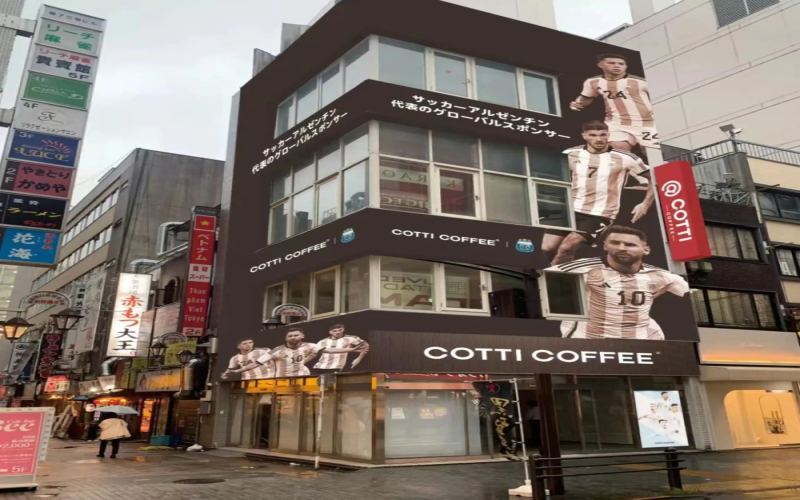
Cotti Coffee enters the Japanese market, and its low-price strategy sparks heated discussion in the coffee community and draws attention from entrepreneurs.
Since announcing its global strategy in August this year, Cotti Coffee has quickly opened two stores in Tokyo, Japan, drawing local consumer attention with opening promotional prices of 100-300 yen, and being dubbed by netizens as the "king of value for money." However, after the promotional period, prices will rise back to 500-650 yen, directly targeting well-known brands such as Starbucks. Japan's coffee market is fiercely competitive, with about 70,000 coffee shops nationwide. As a brand established only one year ago, why is Cotti in such a hurry to open stores in a mature market? Can its "Coffee Dreamer Program" and regional partner model help its overseas expansion? This article will provide an in-depth analysis of Cotti's international layout and the challenges it faces. [more…]
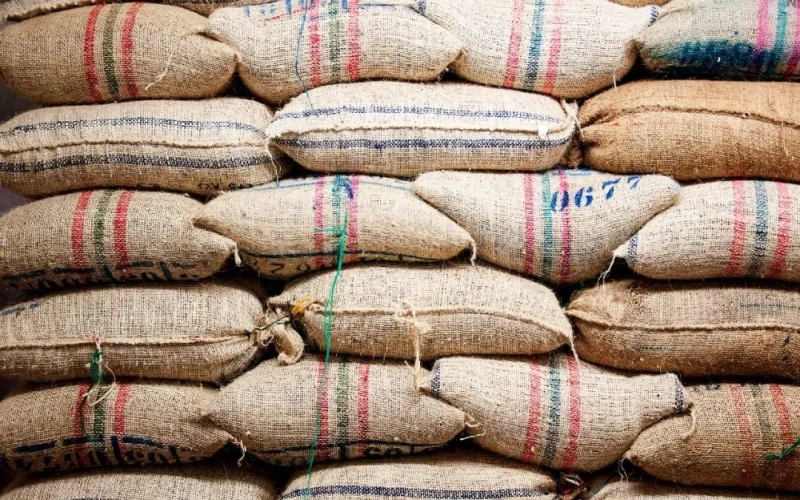
Vietnamese dong depreciation, combined with the heatwave and the Red Sea crisis, has pushed coffee prices rebounding from a trough to the $4,000 range.
In late April, Robusta coffee futures surged to a historic high of US$4,339 per tonne, dragging Arabica futures up along with them. Entering May, Brazil and Vietnam successively released their April export reports, showing growth in both production and export volumes. ICE coffee inventories briefly eased market anxiety, and the enthusiasm for chasing futures buys cooled somewhat. However, after tropical agricultural products fell by nearly 14% overall, purchase prices in Vietnam's central growing regions quickly rebounded to 96 million to 100 million Vietnamese dong per tonne after dropping to 90 million dong per tonne. The interplay of multiple factors—drought, competition from crops such as durian, the continued depreciation of the Vietnamese dong, and rising freight rates on the Red Sea route—makes a rebound in coffee bean prices a highly probable event. Front Street Coffee will continue to monitor the deeper logic behind this round of volatility. [more…]
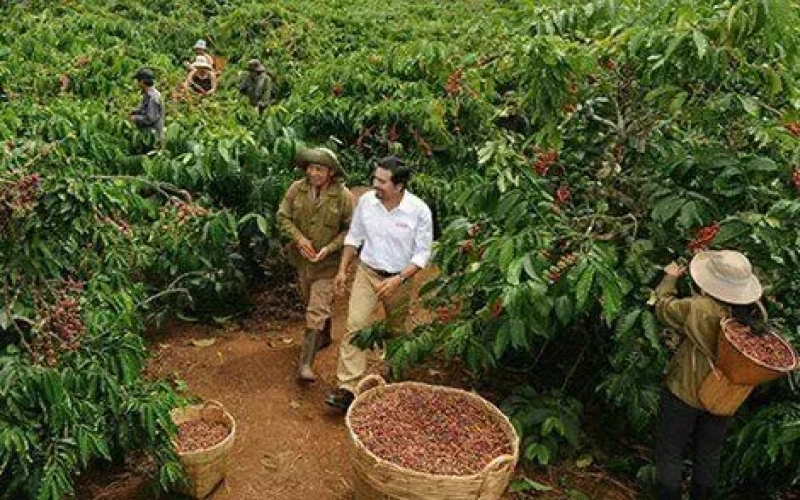
Vietnamese Robusta Coffee Hit by Production Crisis, Purchase Price Breaks the 100 Million Vietnamese Dong Mark
Vietnam, the world's largest robusta coffee-producing country, is facing severe challenges—drought and scant rainfall, farmers switching to fruit crops, and the lingering effects of El Niño. The combination of these multiple factors is expected to cause coffee output to fall by 20%. At the same time, Vietnam's domestic coffee purchase price has soared to 103 million to 107 million Vietnamese dong per ton, and London futures prices have risen by more than 50% within a year. This wave of reduced production not only affects Vietnam's local economy, but will also tighten the global coffee supply landscape. This article examines the climate, economic, and geopolitical factors behind Vietnam's coffee production decline, and also looks at China's role in this shifting situation. (Front Street Coffee continues to follow developments in global coffee-producing regions.) [more…]
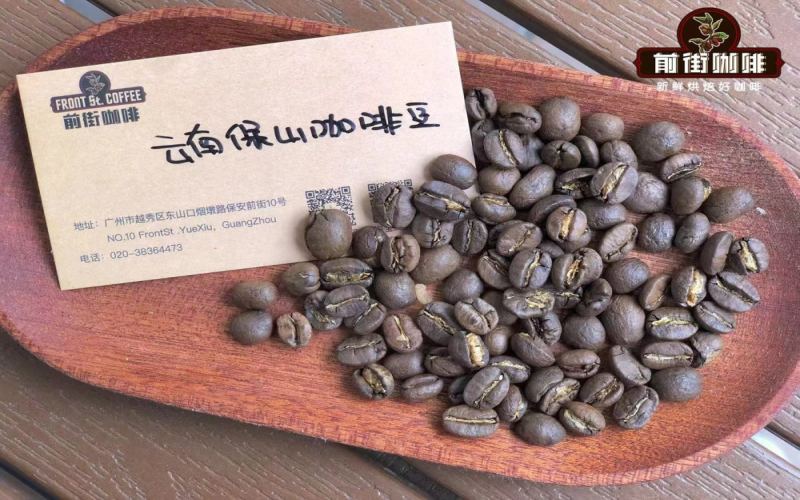
Is Yunnan small-bean coffee Arabica? A full analysis of its variety composition, main producing regions, and flavor characteristics
Yunnan small-bean coffee actually belongs to the Arabica species, but what is widely planted locally today is no longer the traditional Typica, but rather Catimor. This article will trace the evolution of coffee varieties in Yunnan, from Typica to the replacement process by Catimor, introduce the current cultivation status of a small number of high-quality varieties such as Geisha and Bourbon, and analyze one by one the climate conditions and flavor trends of major producing regions including Lincang, Pu'er, Baoshan, and Dehong. At the same time, the article will also explain why Yunnan coffee generally adopts the washed processing method, as well as Front Street Coffee's experience growing Typica in Lincang and the brewing parameters and flavor descriptions of several representative products. [more…]

Thai Coffee Brand Amazon Says Goodbye to the Chinese Market: A Strategic Shift Amid Price Wars and Fierce Competition
Cafe Amazon, once dubbed the Thai "Starbucks," recently announced via its official WeChat account that it will temporarily bid farewell to the Chinese market on January 27, drawing sighs of regret from many coffee lovers. Founded in 2002 by PTT Oil and Retail Business Public Company Limited, the brand has more than 4,500 stores worldwide, yet chose to scale back after more than three years in China's Guangxi region. Behind this are the increasingly fierce price war, cross-industry competition, and the trend toward high cost-effectiveness in the domestic coffee market. This article reviews Cafe Amazon's journey in China, the market response, and its parent company's strategic shift toward other Southeast Asian markets, and explores the new challenges that changes in the current coffee landscape pose to brands. [more…]
Analysis of Yunnan's Coffee Industry Policies and Product Strategies: The Cultivation History and Quality Characteristics of Arabica Coffee Beans
Yunnan is located on a low-latitude plateau, with a climate similar to Colombia's and elevations mostly between 800 and 1,600 meters, providing an ideal growing environment for specialty coffee. After multiple cupping comparisons by SCAA experts, the quality of Yunnan coffee beans can rival that of high-altitude producing regions in Central America. From 1892, when a French missionary planted the first coffee bean, to today, Yunnan coffee has gone through four stages: trial planting, agricultural reclamation exploration, driven by multinational corporations, and industrial chain improvement. Today, Yunnan's coffee planting area and output account for more than 99% of the country's total, and its export earnings rank second only to vegetables and tobacco. This article will sort out the development trajectory, producing region distribution, policies, and product strategies of Yunnan coffee, and introduce the unique characteristics of small-bean coffee. [more…]
World Coffee Origins | Which famous coffee beans come from each coffee-producing country? What are the flavor, taste, and characteristics of each coffee variety? Introduction to coffee grading systems
I. Brazil (South America) Since 1960, Brazil has consistently ranked first in the world in coffee cultivation, with an average annual output of 24.6 million bags (each bag weighing 60 kilograms). According to a November 2002 report by the United States Department of Agriculture, Brazil's actual coffee output in 2002 should have been 51.6 million bags. Brazil is the world's most [more…]
The Forgotten Large-Bean Liberica: Can Excelsa Coffee Become a New Choice in a Warming Climate?
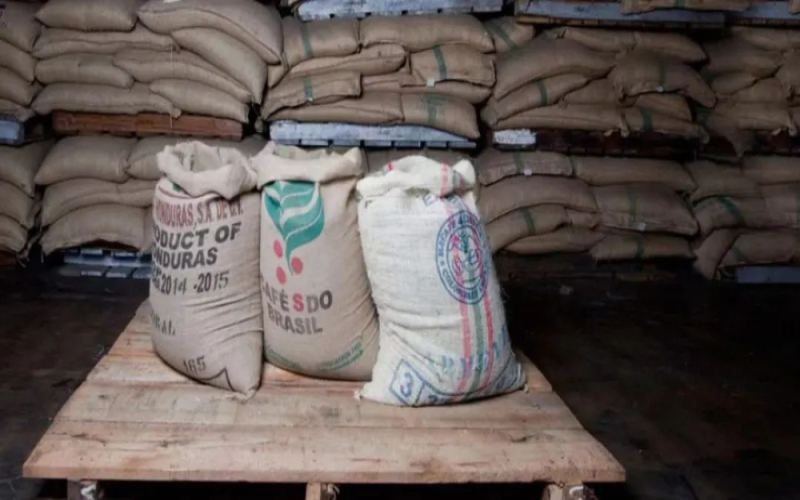
Today, when Arabica and Robusta absolutely dominate global coffee supply, a species once forgotten for its poor flavor—Liberica (Coffea liberica)—is re-entering researchers' view. From 2021 to 2022, climate change-induced droughts tightened coffee inventories and sent prices soaring, with Arabica prices doubling in a short period. Facing the crisis of shrinking arable ranges, academia proposed three paths: relocating production areas, adjusting cultivation methods, and developing new crops. In December 2022, Nature Plants pointed out that Liberica might regain attention in an era of supply chain disruptions. One of its natural varieties, Excelsa, combines disease resistance, drought tolerance, low-temperature tolerance, and a flavor close to Arabica, and is being widely planted by coffee farmers in places such as Uganda. Front Street Coffee takes you through the full picture of this potential variety. [more…]
Decoding Indonesia's Three Major Coffee Regions: A Full Analysis from Mandheling to Kopi Luwak on Varieties, Processing Methods, and Flavors
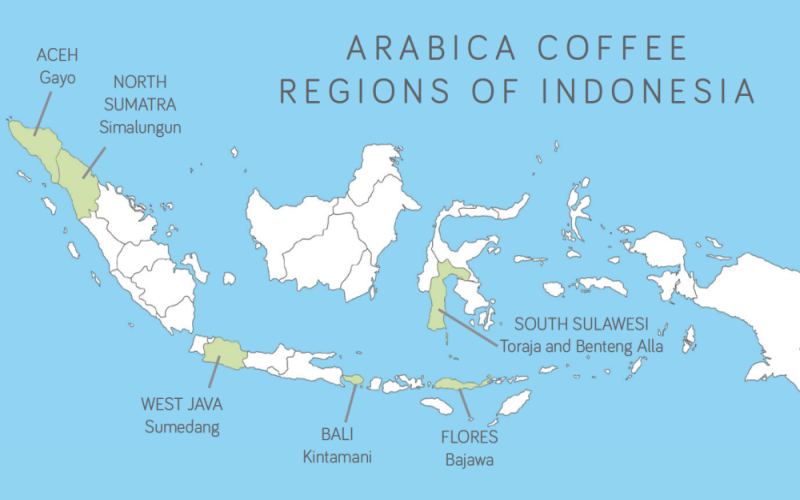
Indonesia is a major coffee-producing country globally, renowned for its rich, full-bodied flavor with extremely low acidity, and its caramel and dark chocolate-like sweetness has captivated countless coffee enthusiasts. From the introduction of coffee by the Dutch in 1696, to the switch to Robusta after leaf rust devastated Arabica, and to today's three major producing regions of Sumatra, Java, and Sulawesi each leading in their own way, Indonesian coffee has gone through a tumultuous history. This article will guide you through the development of Indonesian coffee, its growing environment, main varieties, an in-depth analysis of the unique wet-hulling process, and a one-by-one introduction to the flavor characteristics and brewing parameters of representative coffees such as Mandheling, Kopi Luwak, and Java. Front Street Coffee will also share practical brewing suggestions for a variety of Indonesian beans. [more…]
Coffee Bean Roast Levels Illustrated | What Do Japanese Extremely Dark Roast and Nordic Extremely Light Roast Mean? Which Tastes Better, Medium or Dark Roasted Coffee Beans?
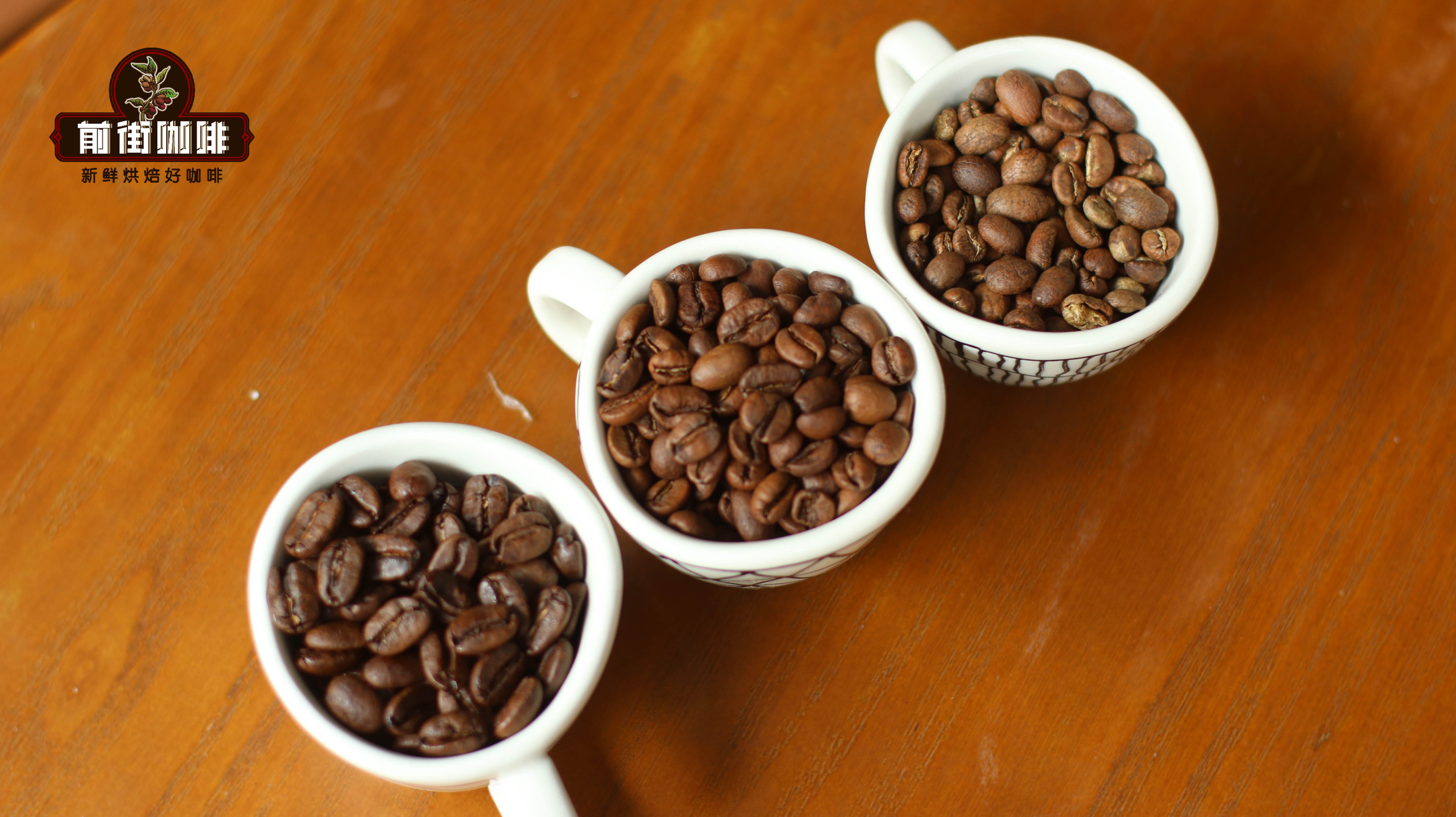
Roasting is the process of turning green coffee beans into brown roasted beans~ The longer the roasting time and the longer the beans are exposed to heat, the darker the color of the coffee beans becomes. The surface color (bean surface) of the coffee beans when taken out of the roaster after different durations will also vary. This situation Front Street [more…]